
Metal Art Fabrication: Bringing Vision to Life in Steel
Many Methods, One Goal
There are many ways to utilize metal in the creation of art, and each approach carries its own character. Metal can be cast, formed, welded, and clad onto other materials — or any combination of those methods — depending on the vision behind the work and the demands of the finished piece.
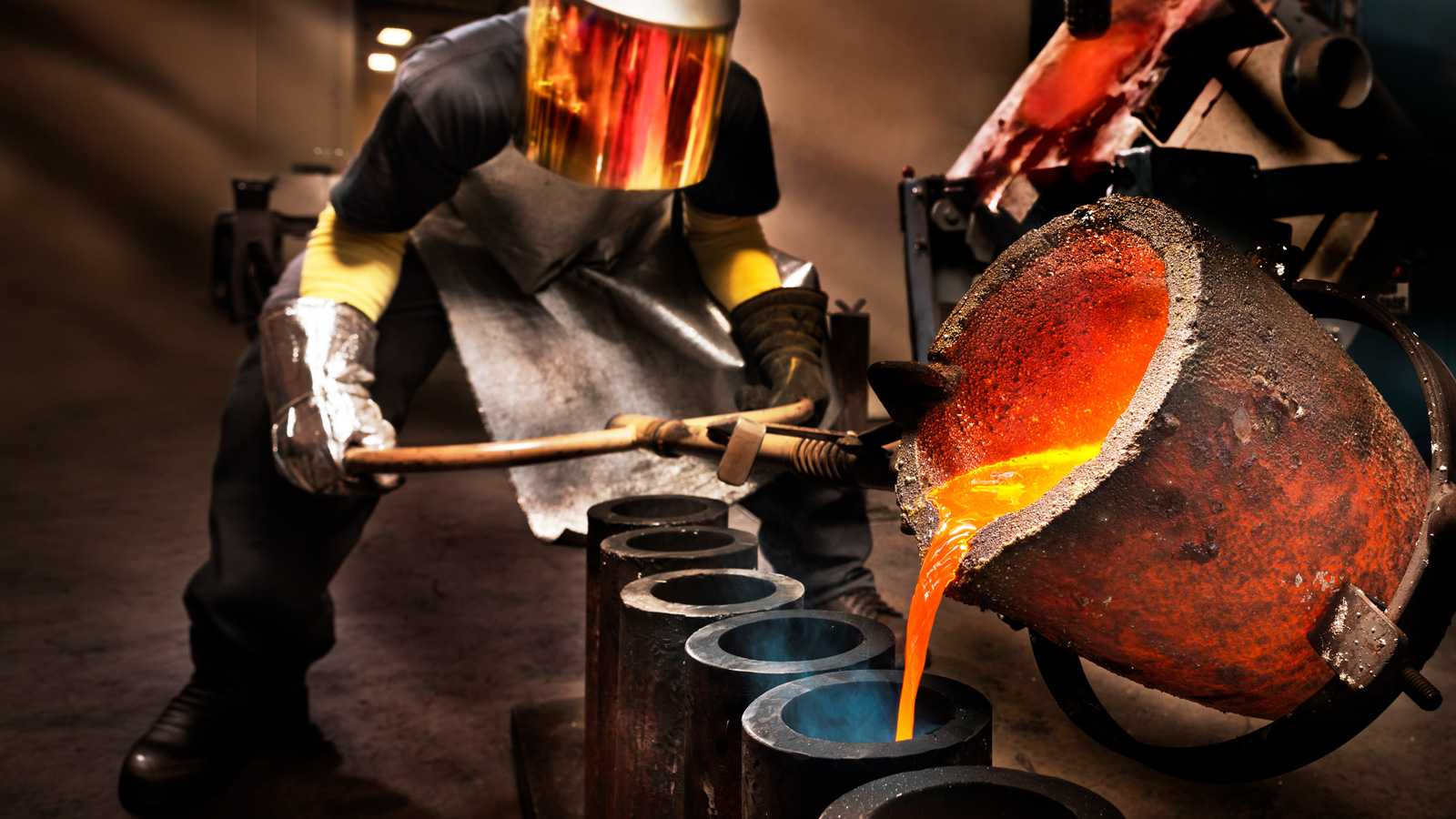
Pictured: Foundry Pour Process
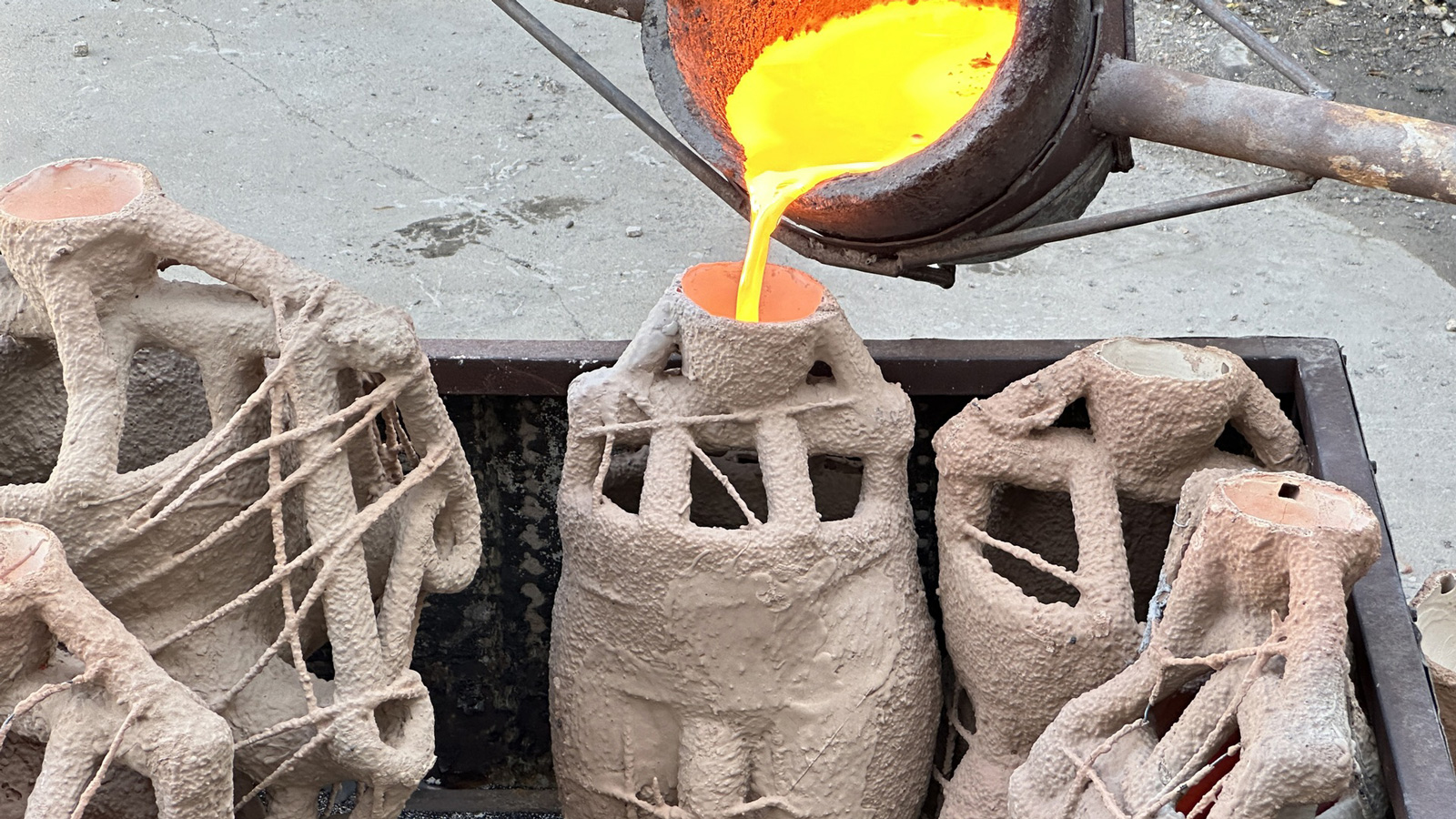
Pictured: Lost-Wax Method
Most people are familiar with cast sculpture and statuary, the kind you find in public squares and museum gardens. Casting requires a foundry and the pouring of molten metal into a mold created by the artist. There are a number of well-established methods for doing this, including sand casting, where molten metal is poured into a packed sand mold, and lost wax casting — an ancient technique where a wax model is encased in ceramic, burned away, and replaced by metal. Both produce stunning results, but they require specialized equipment, significant setup time, and often an intermediary between the artist’s original idea and the final object.
EA’s Approach: Fabrication First
At EA Craftworks, our focus is on fabrication methods — and for good reason. Fabrication puts the work directly in our hands.
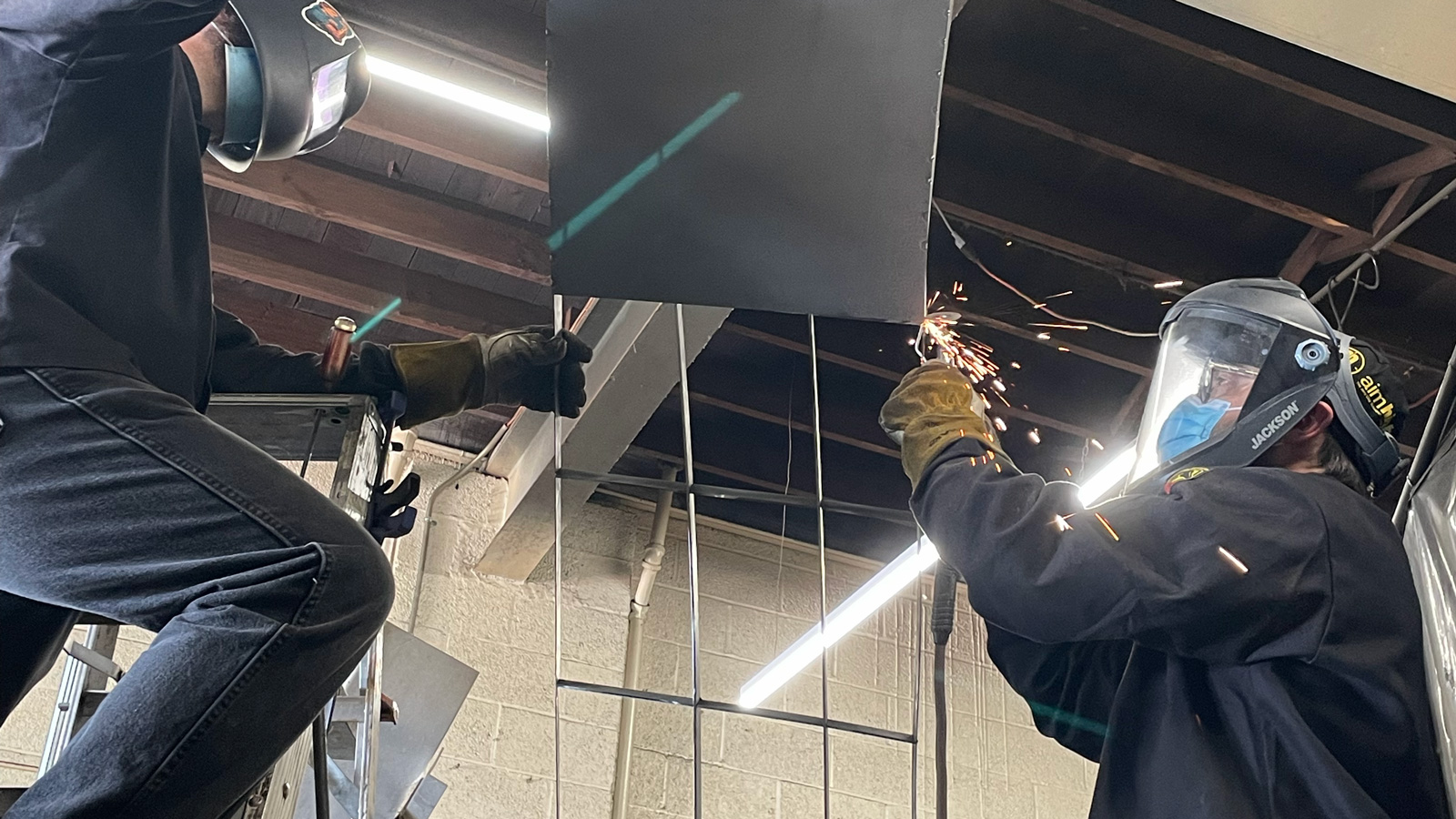
Pictured: Welding Process
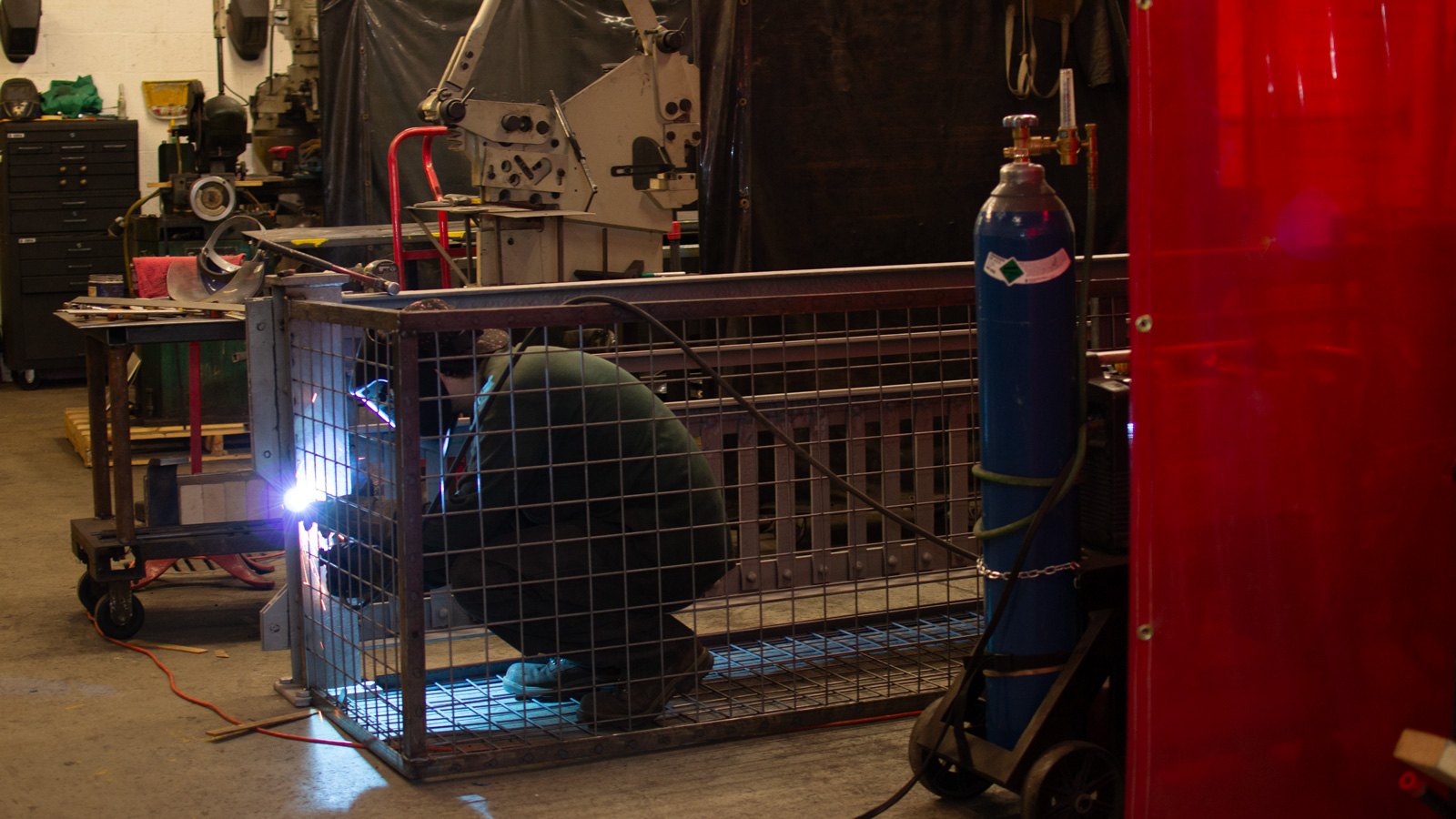
Pictured: Welding Process
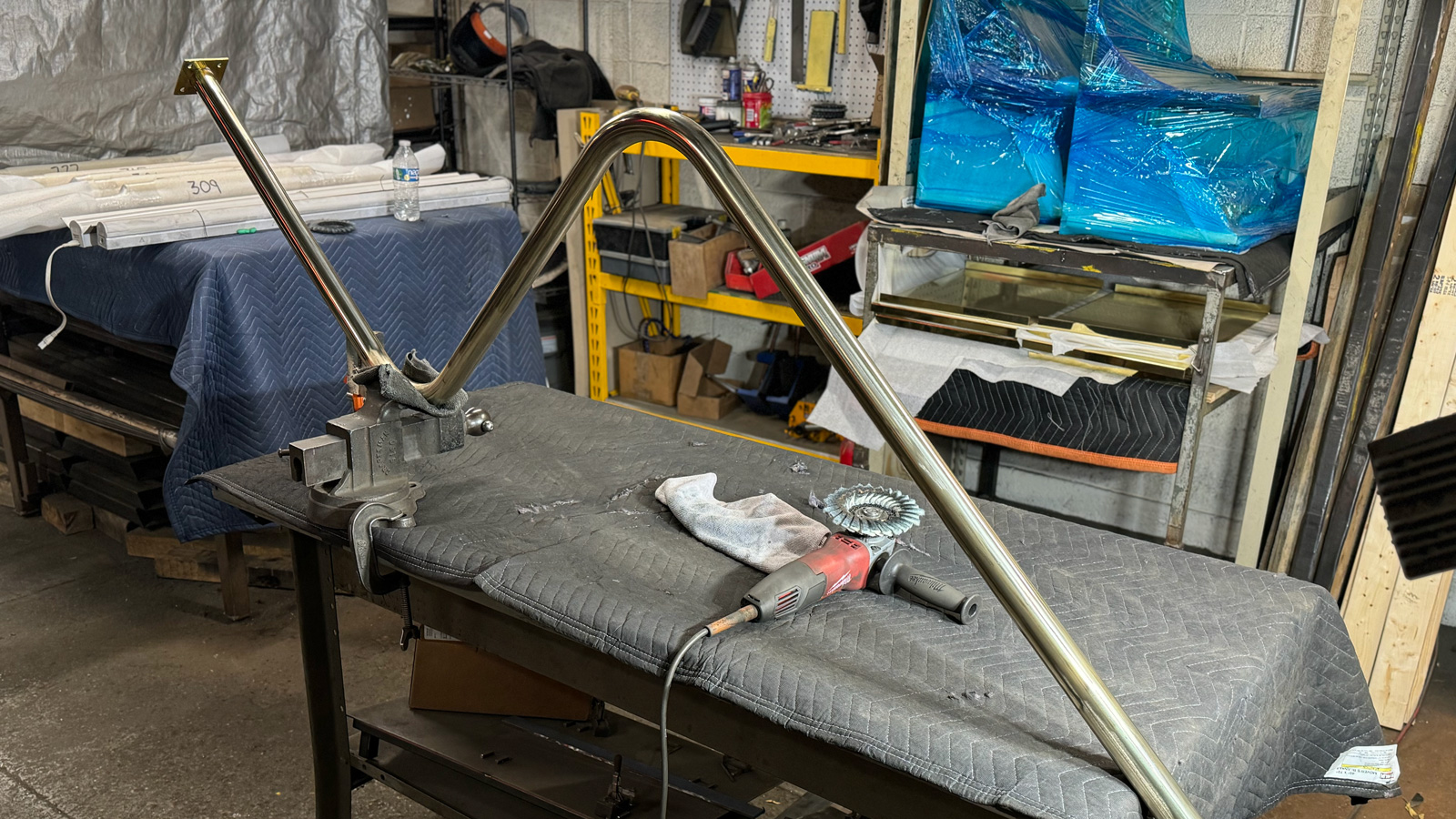
Pictured: Rolling Process
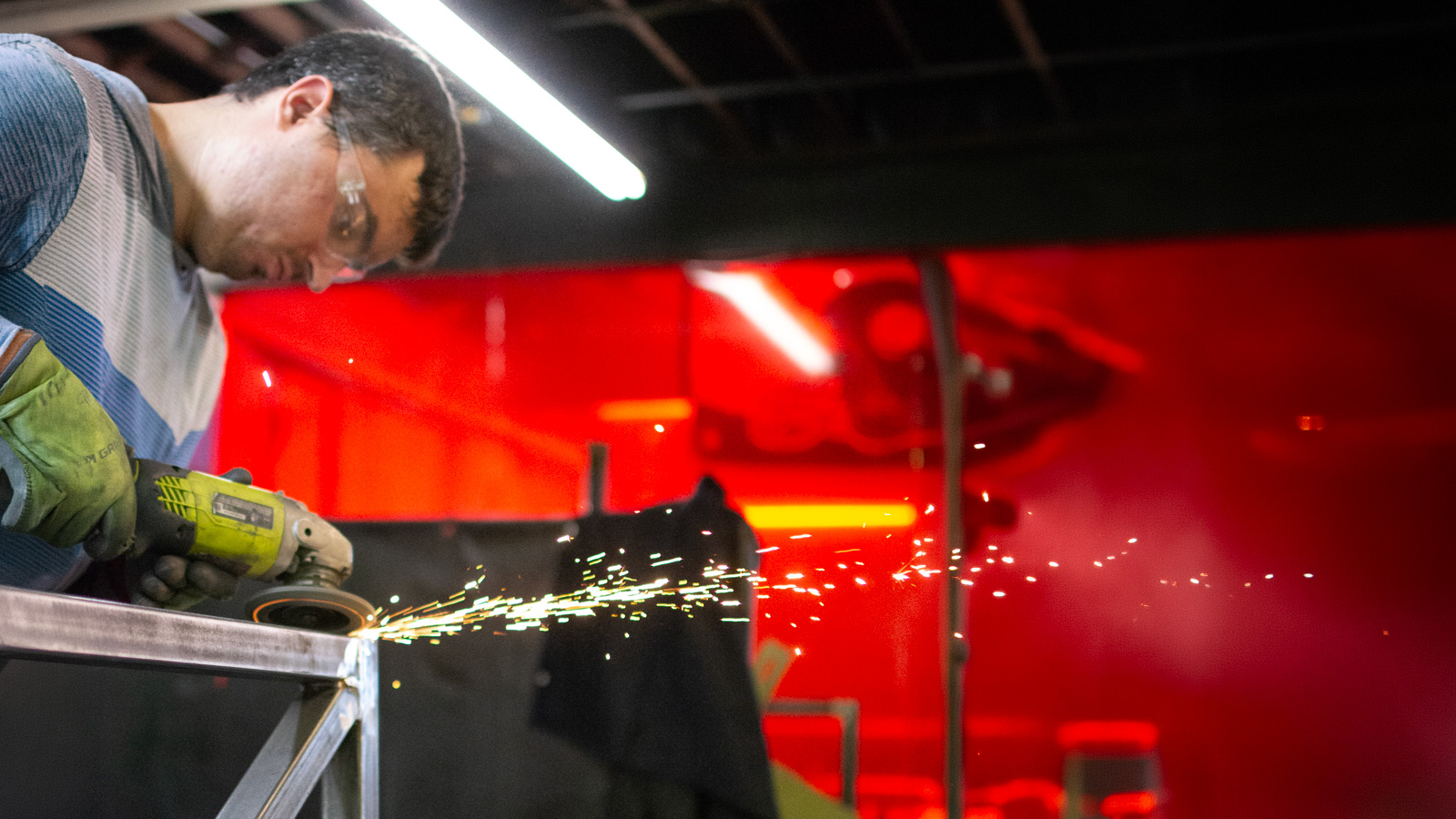
Pictured: Grinding Process
Rather than relying on a mold or an outside foundry, we use a hands-on combination of welding, cutting, grinding, rolling, and forming to realize an artist’s vision. These techniques give us an extraordinary degree of control over the finished product, allowing us to work responsively as a piece evolves. No two projects are exactly alike, and the fabrication process reflects that.
What makes this approach so powerful is its versatility. Using these techniques, we can create a vast range of both organic and geometric shapes — from flowing, nature-inspired forms to precise architectural geometry. We work in both volumetric three-dimensional sculpture and planar flat or relief-based work. Whether a piece calls for raw industrial texture or refined, polished surfaces, fabrication gives us the tools to get there.
The Right Partner for Creative Challenges
Metal is an unforgiving medium. It pushes back. That’s part of what makes it so compelling — and part of what makes experience so valuable when working with it. Designing for fabrication is its own discipline: knowing how steel behaves under heat, how forms can be joined without compromising structural integrity, how to plan cuts and welds so that a finished piece looks exactly as intended.
For artists and creatives, that’s where a fabrication partner becomes essential. If you have a vision you’d like to bring into reality but need support navigating the practical and technical side of working in metal, we’d love to hear about it. At EA, we’re not just executing instructions — we’re problem-solvers who understand both the artistic intent and the physical demands of the material.
From concept to completion, we’re here to help you figure it out.
Have a project in mind? Get in touch with EA Craftworks and let’s talk about what’s possible.