
The Art of Metal Patina
When metals are exposed to the elements—or simply to the rhythm of daily life through touch and time—their surfaces begin to change. On a chemical level, subtle reactions occur, resulting in evolving color variations, depth, and texture. What might first appear as wear is, in many cases, the beginning of a story being written directly into the material.
Patina is not merely a finish. It is a transformation. A dialogue between metal, environment, and intention.
A Living Surface
Unlike static coatings, patina exists as a living surface. Moisture, air, oils from hands, and even shifts in temperature can influence how a metal develops over time. This is why no two patinated pieces are ever truly identical. Each surface matures in its own way, gaining richness, variation, and character that cannot be replicated by paint or synthetic finishes.
For some projects, this evolution is the desired outcome. For others, the patina is carefully guided and then sealed to preserve a specific tone or visual moment in time.
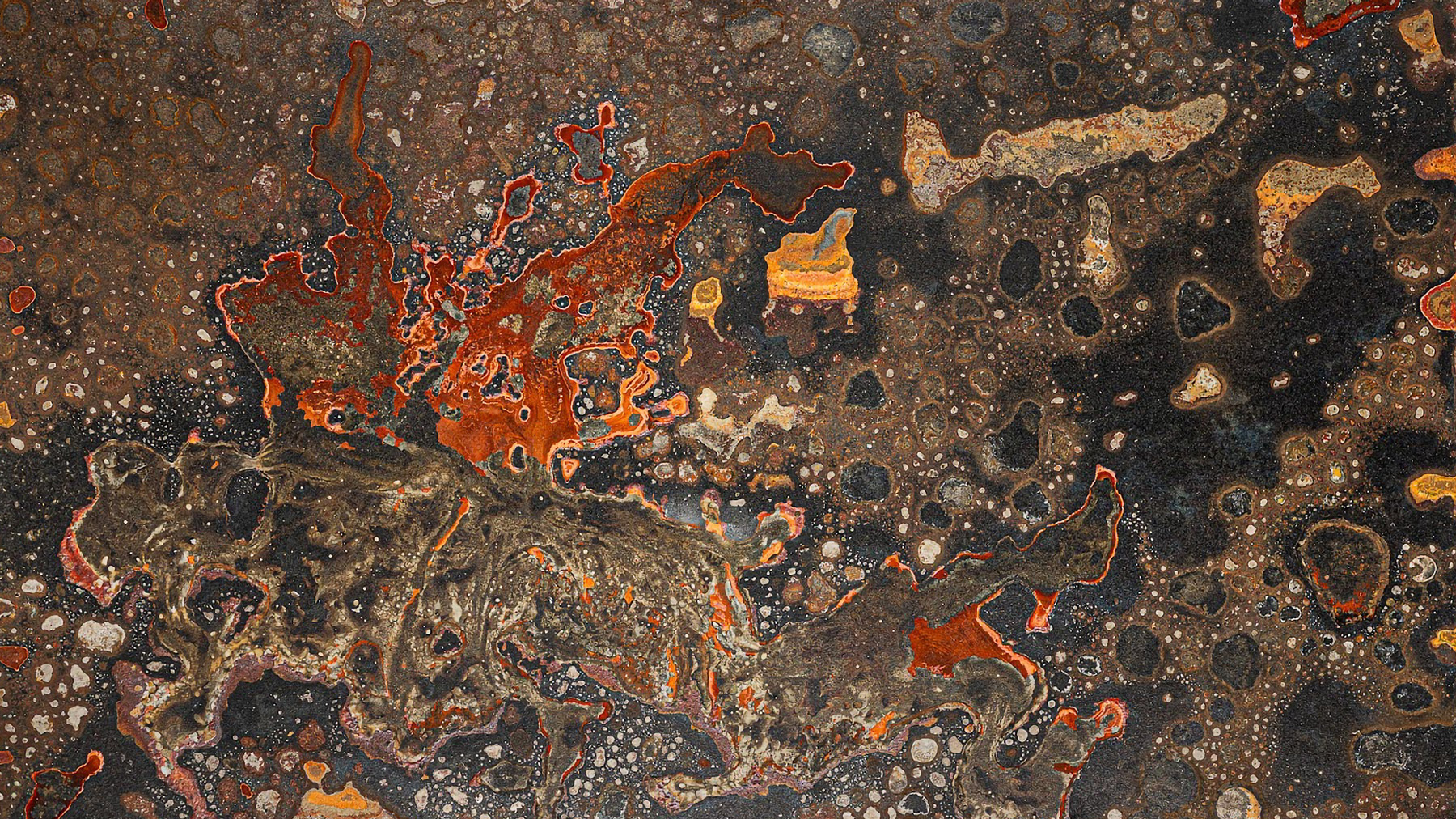
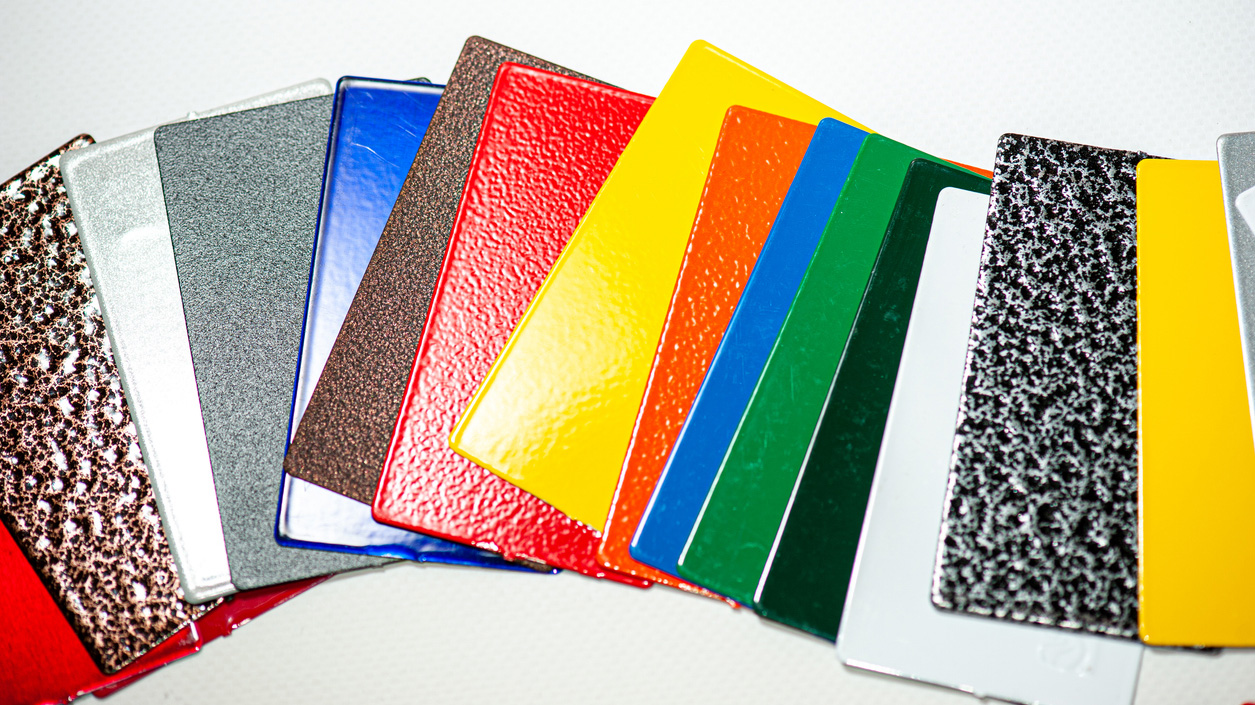
Pictured Below: Patina Sample VS Powder Coat Finish
Base Metals and Their Potential
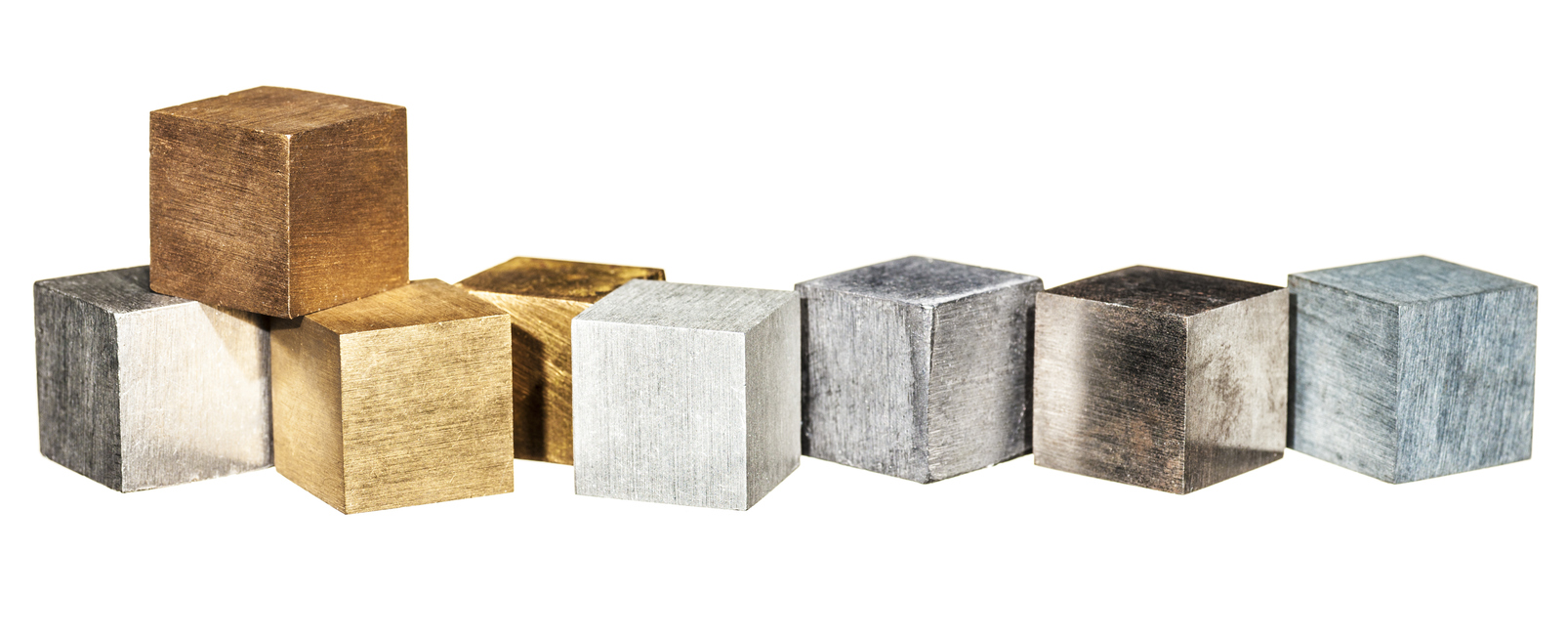
Every metal begins as a blank canvas, but each responds differently to patination techniques and environmental exposure.
Steel
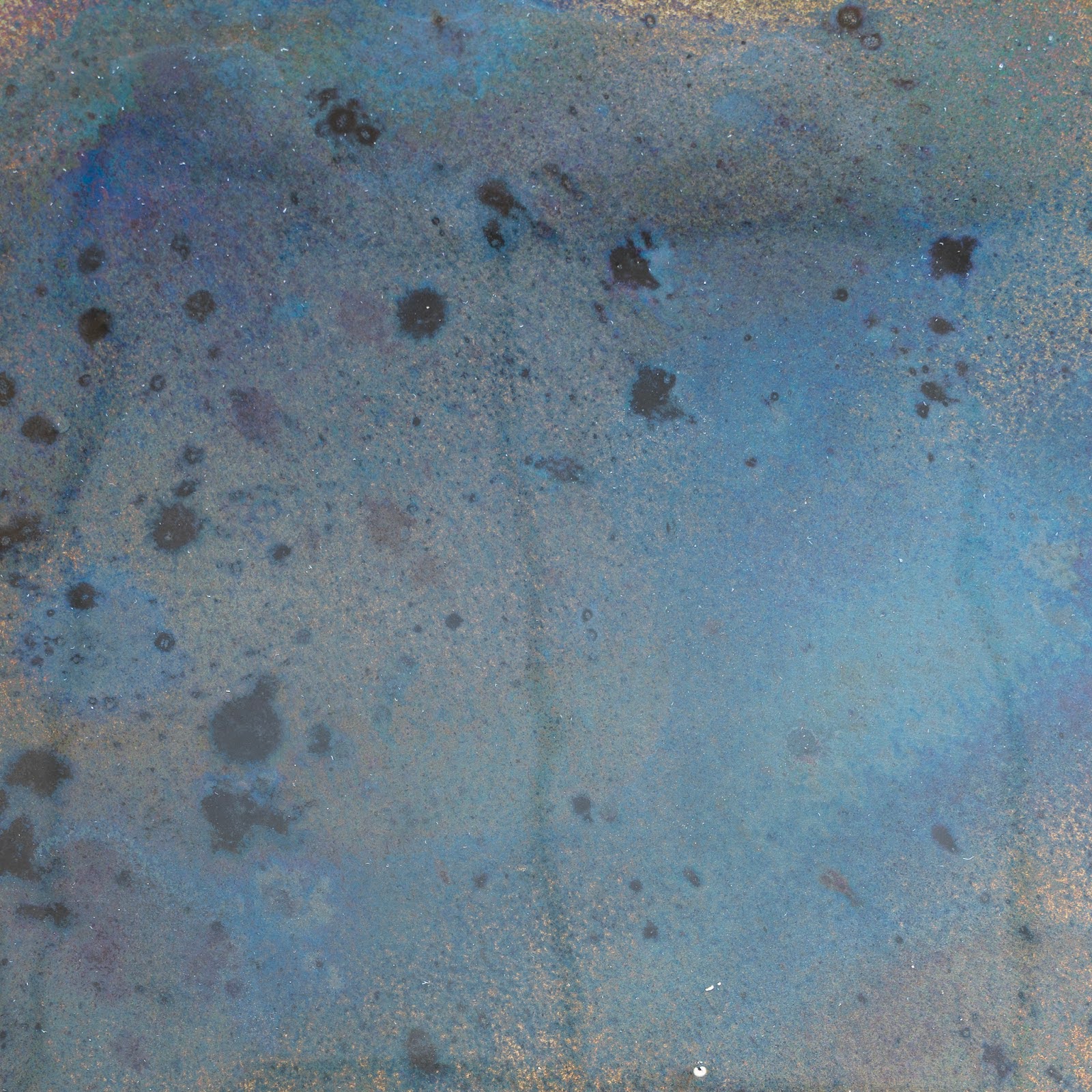
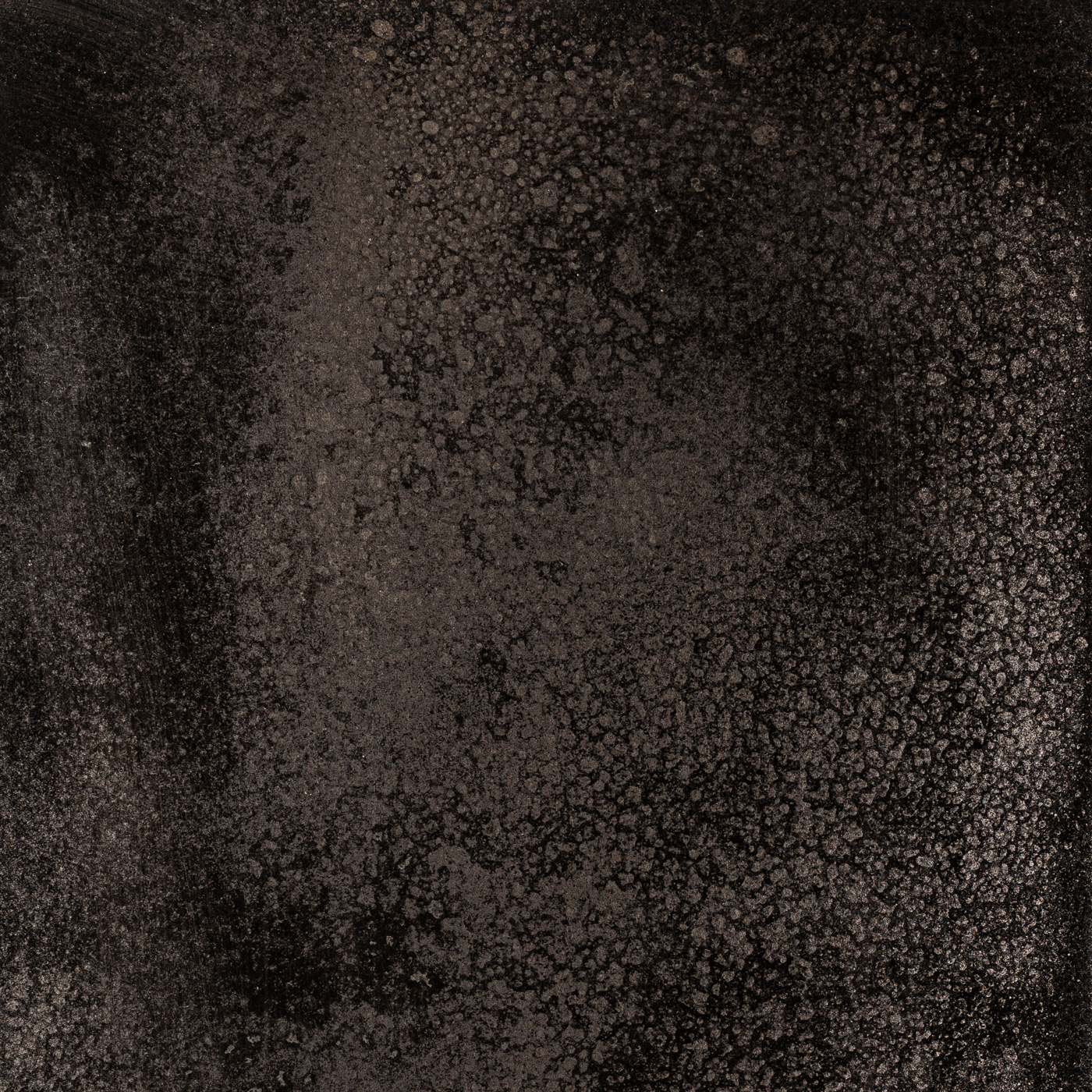
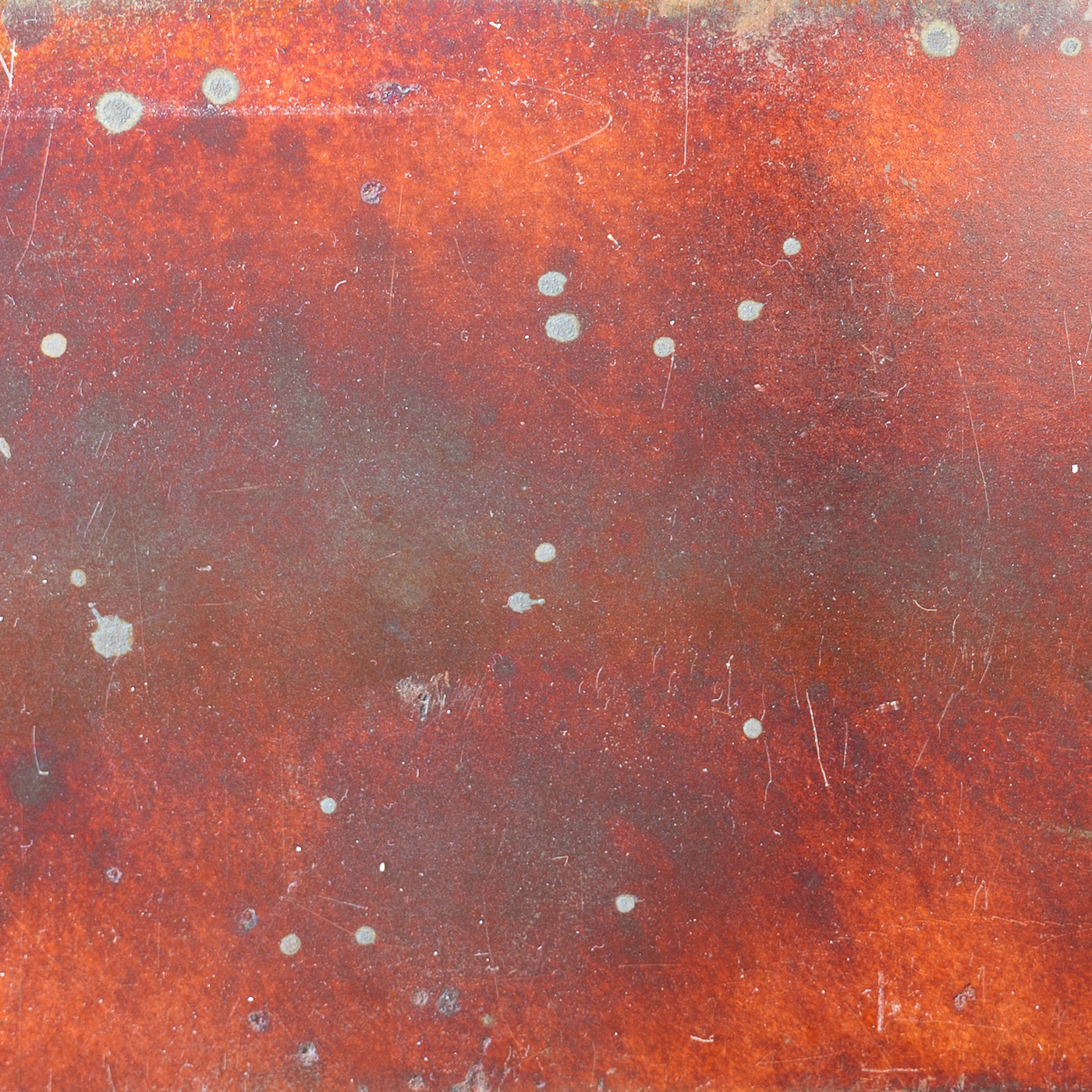
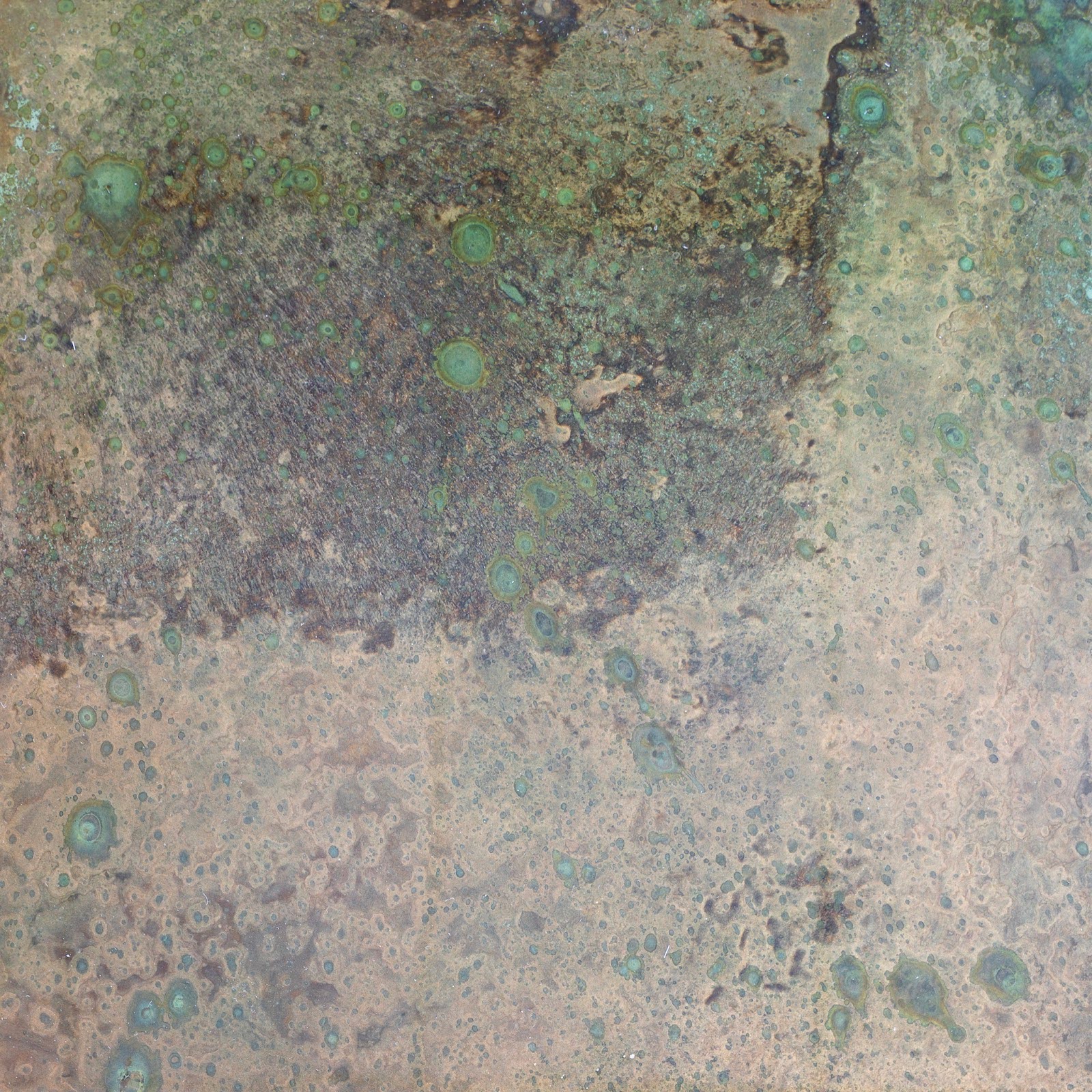
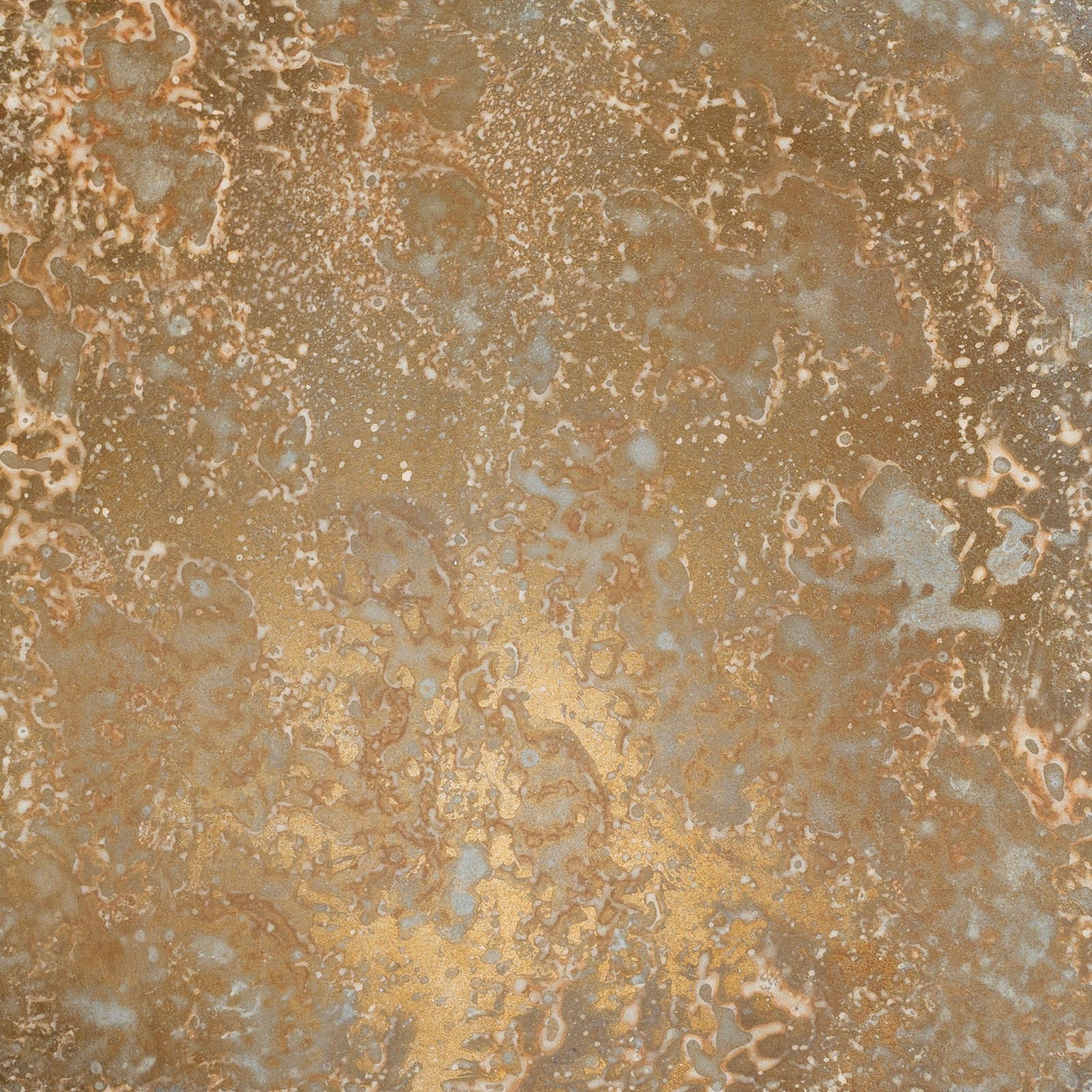
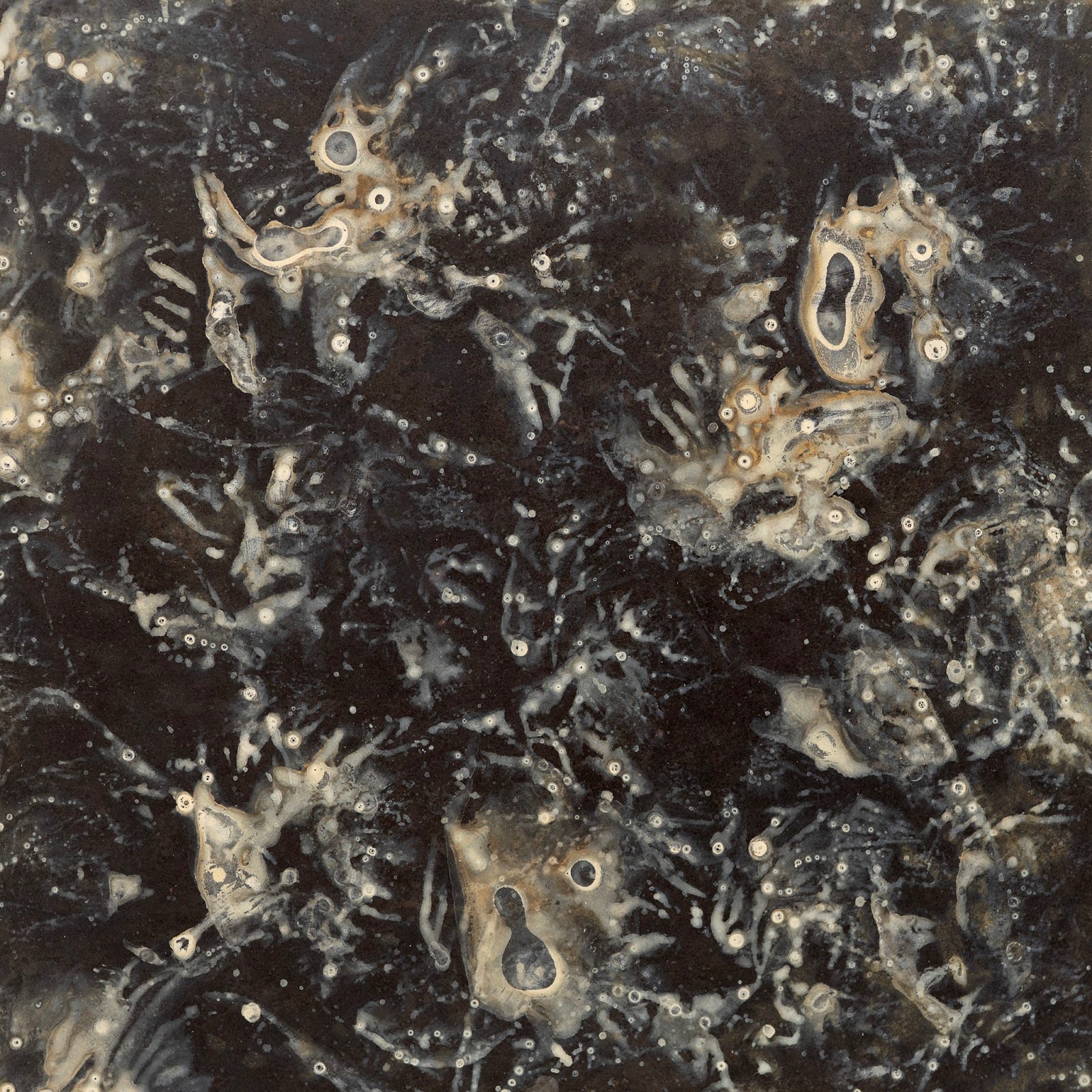
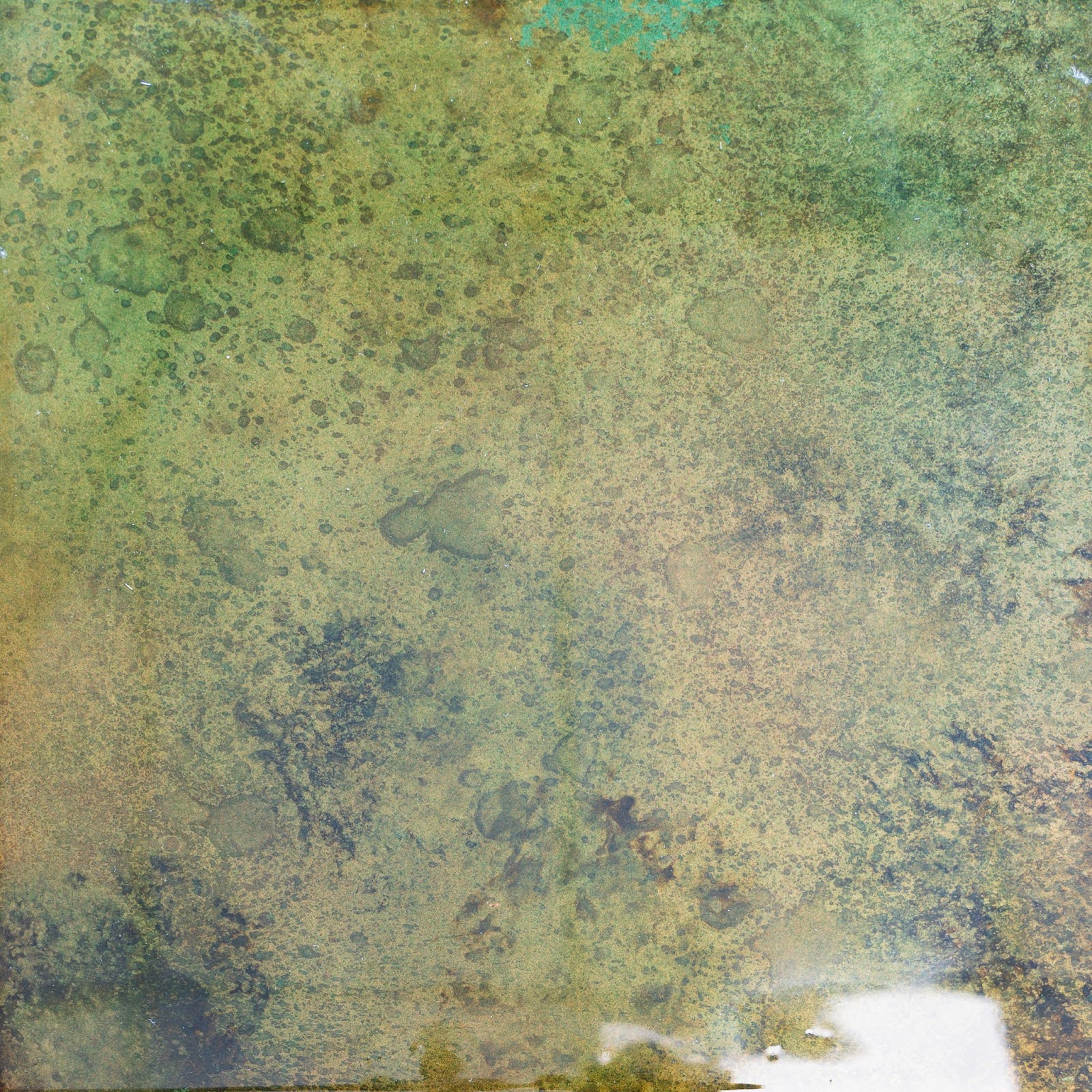
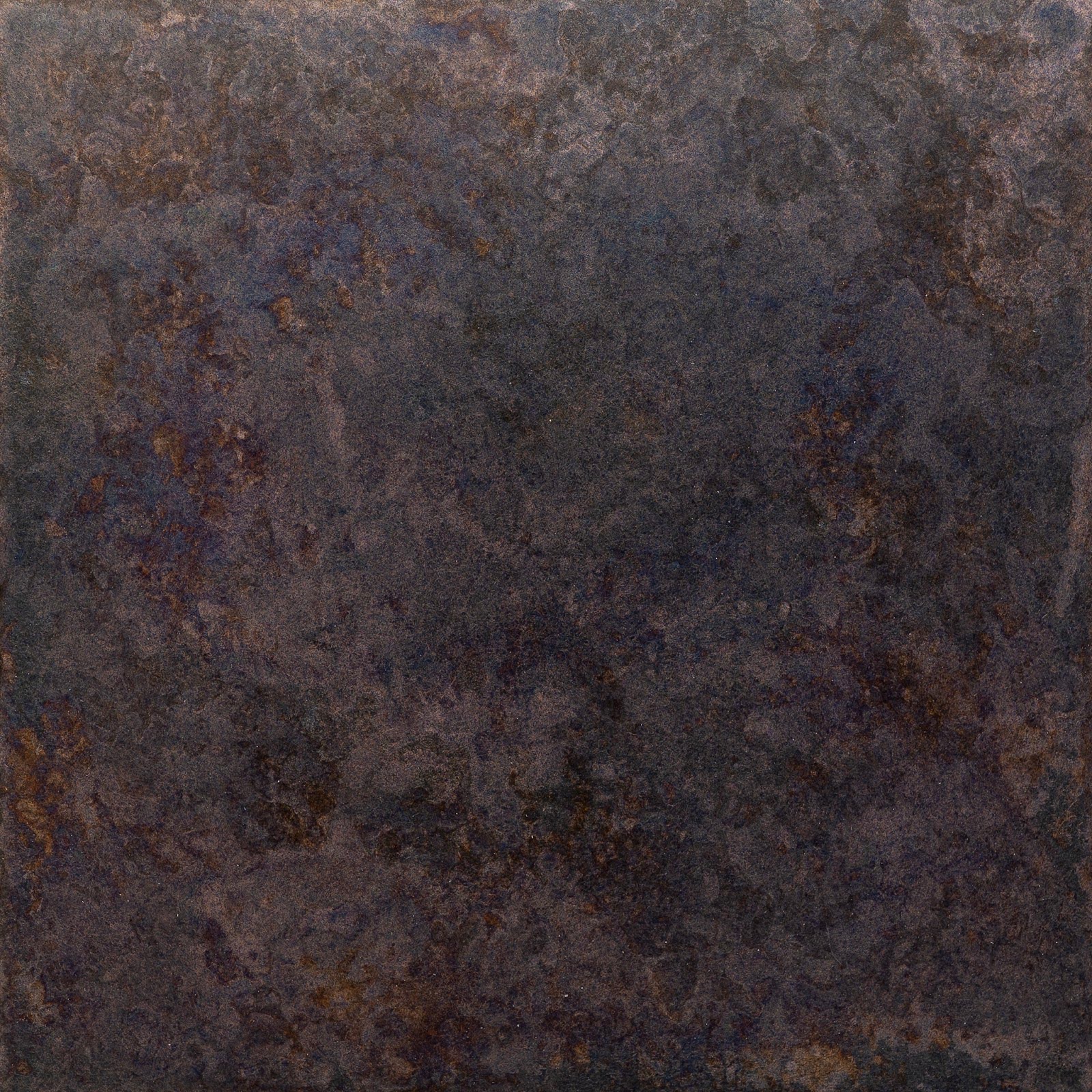
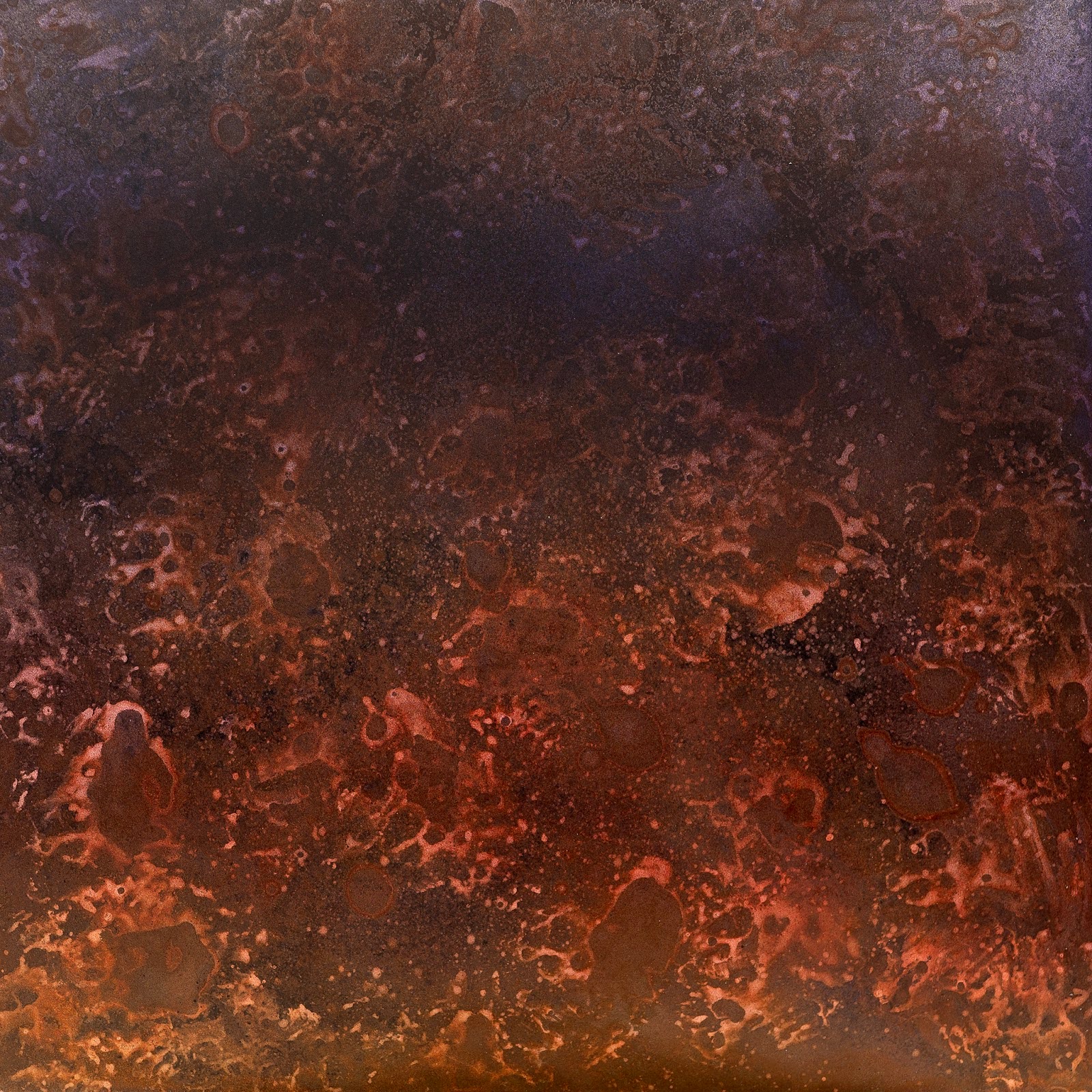
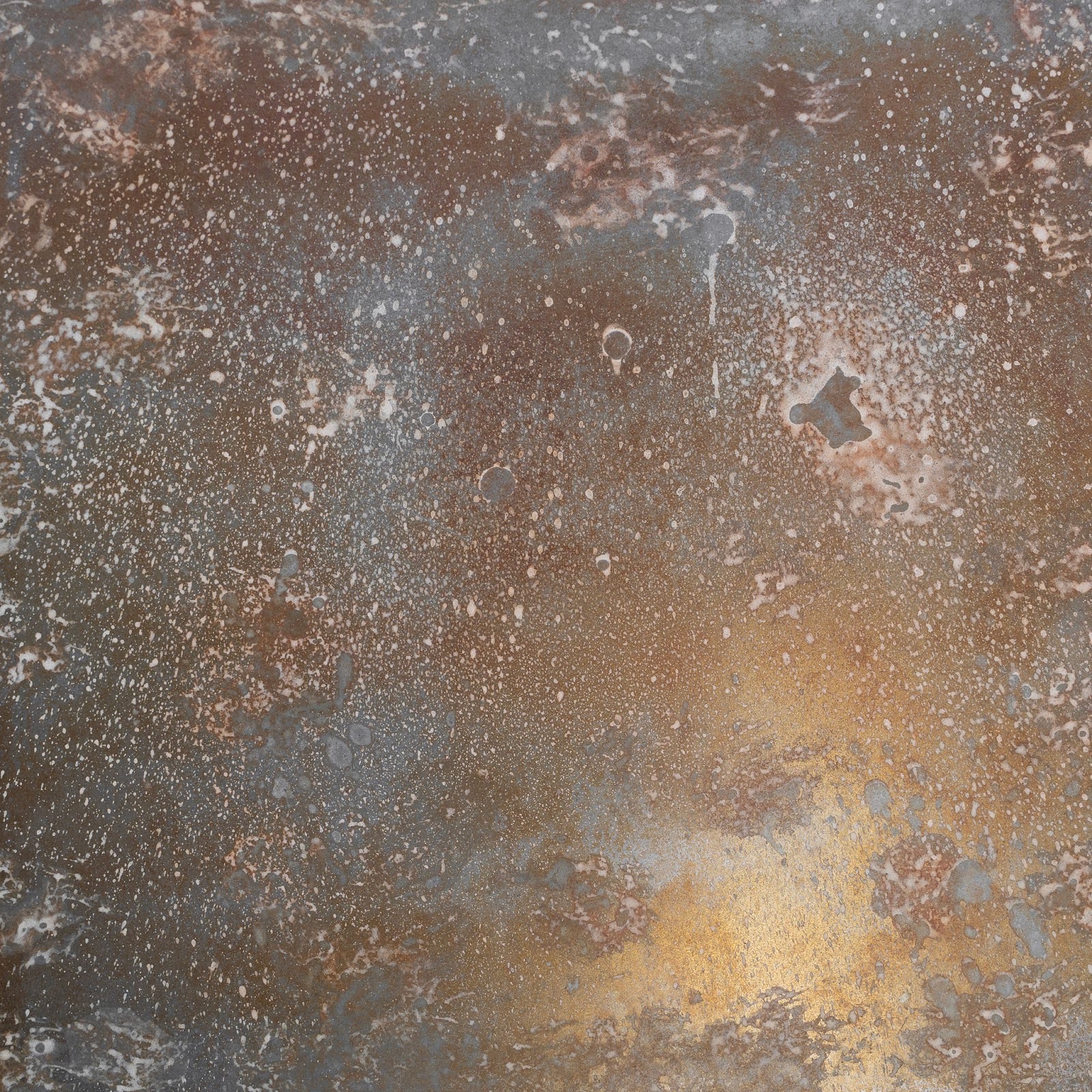
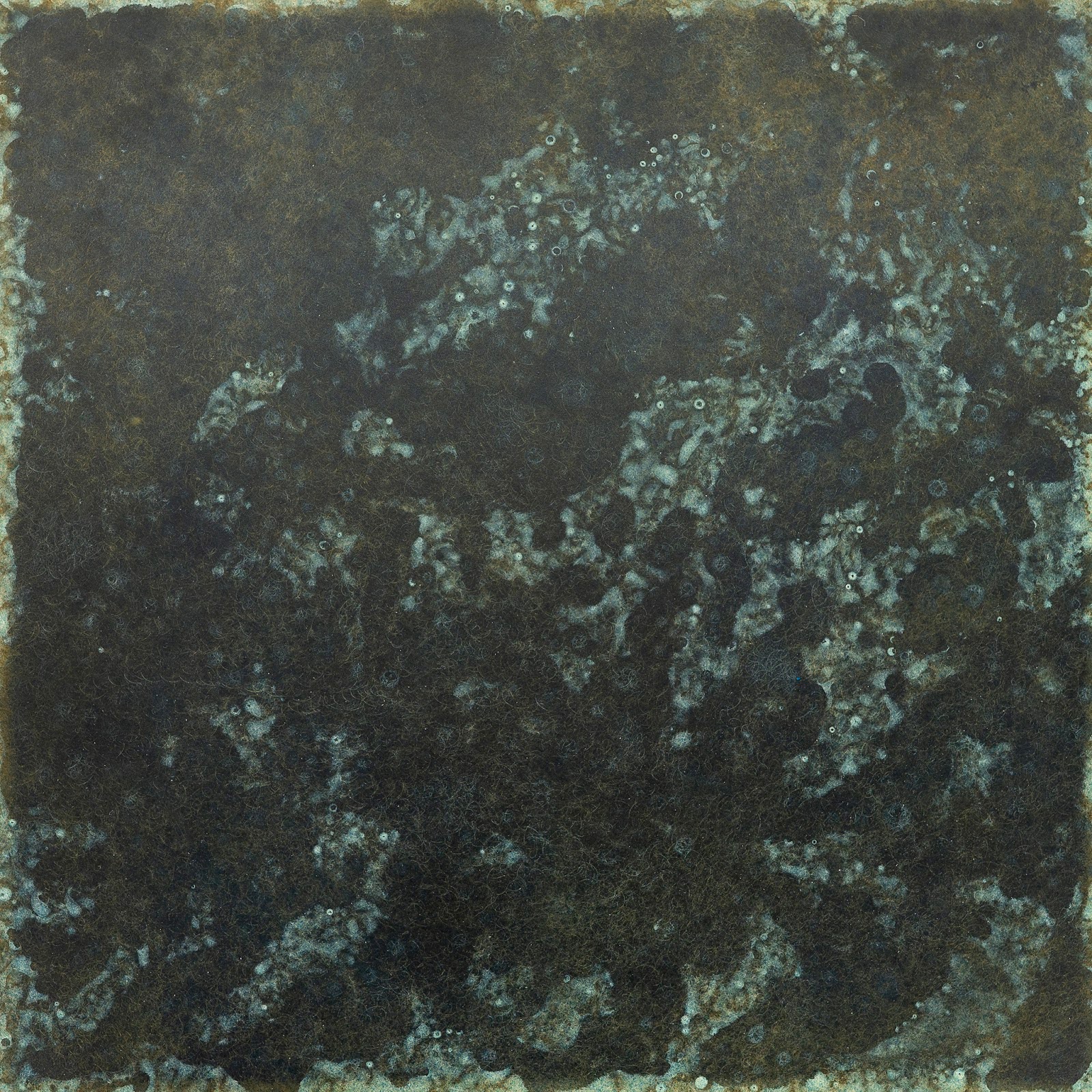
Steel offers a nearly blank palette for design exploration. It can be manipulated to achieve a wide range of tones and textures. While steel is susceptible to rust when left unprotected and exposed to moisture, controlled oxidation can be intentionally incorporated into a design. When thoughtfully executed, the result can feel raw, grounded, and deeply industrial—though uncontrolled corrosion is typically avoided, as it can compromise structural integrity. Steel can be manipulated to look like other metals, which gives it another fun and often cost-effective edge.
Psst, everything pictured below all started from your humble steel:
Stainless Steel
Often associated with a clean, modern appearance, stainless steel can also be chemically altered to achieve darker tones, including browns, charcoals, and blacks. These treatments allow designers to retain the strength and durability of stainless while softening its reflective, contemporary edge.
Aluminum
Lightweight and resilient, aluminum can be darkened and treated to produce rich, muted finishes. Its versatility makes it a strong candidate for projects that require both performance and aesthetic refinement.
Brass, Copper & Bronze
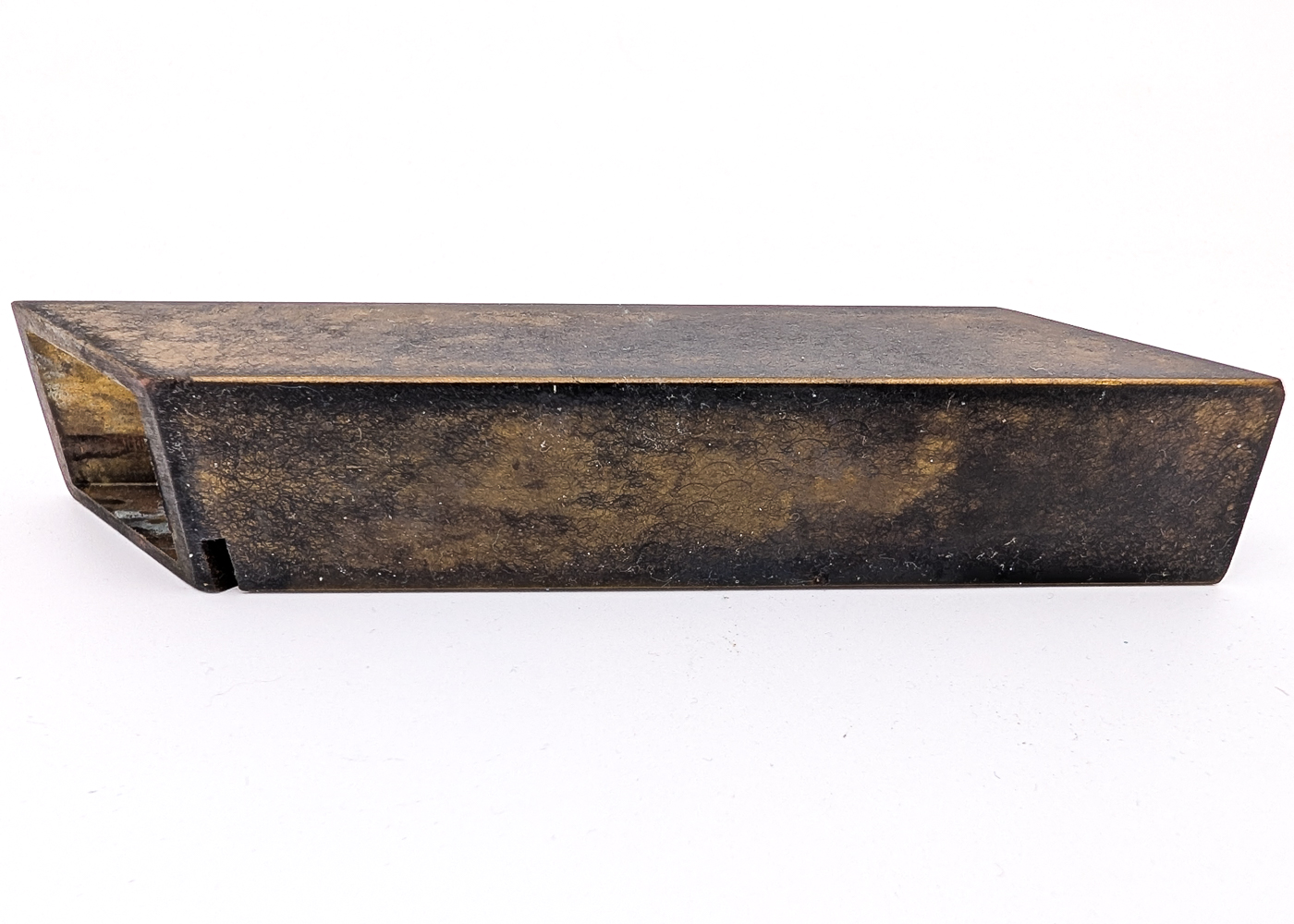
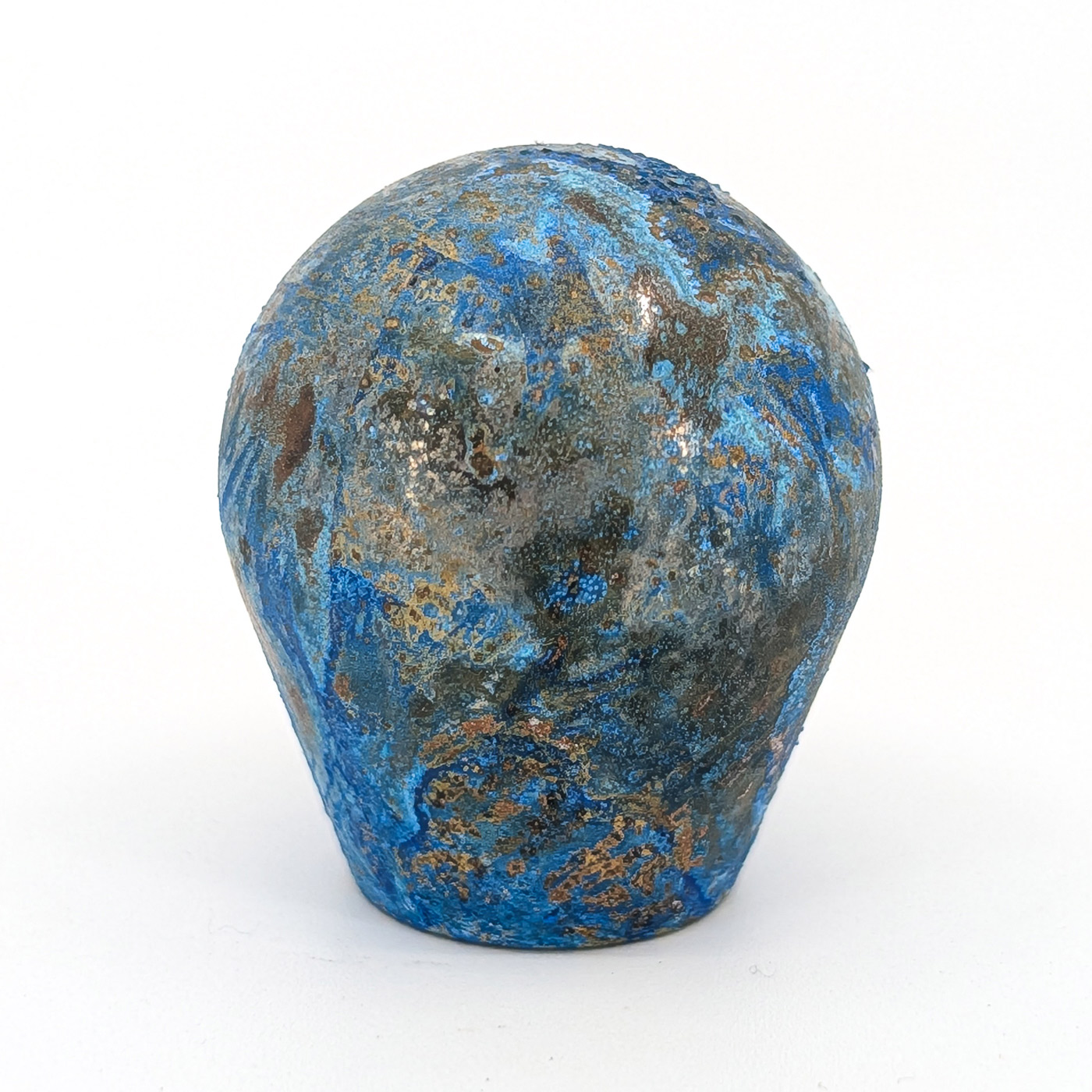
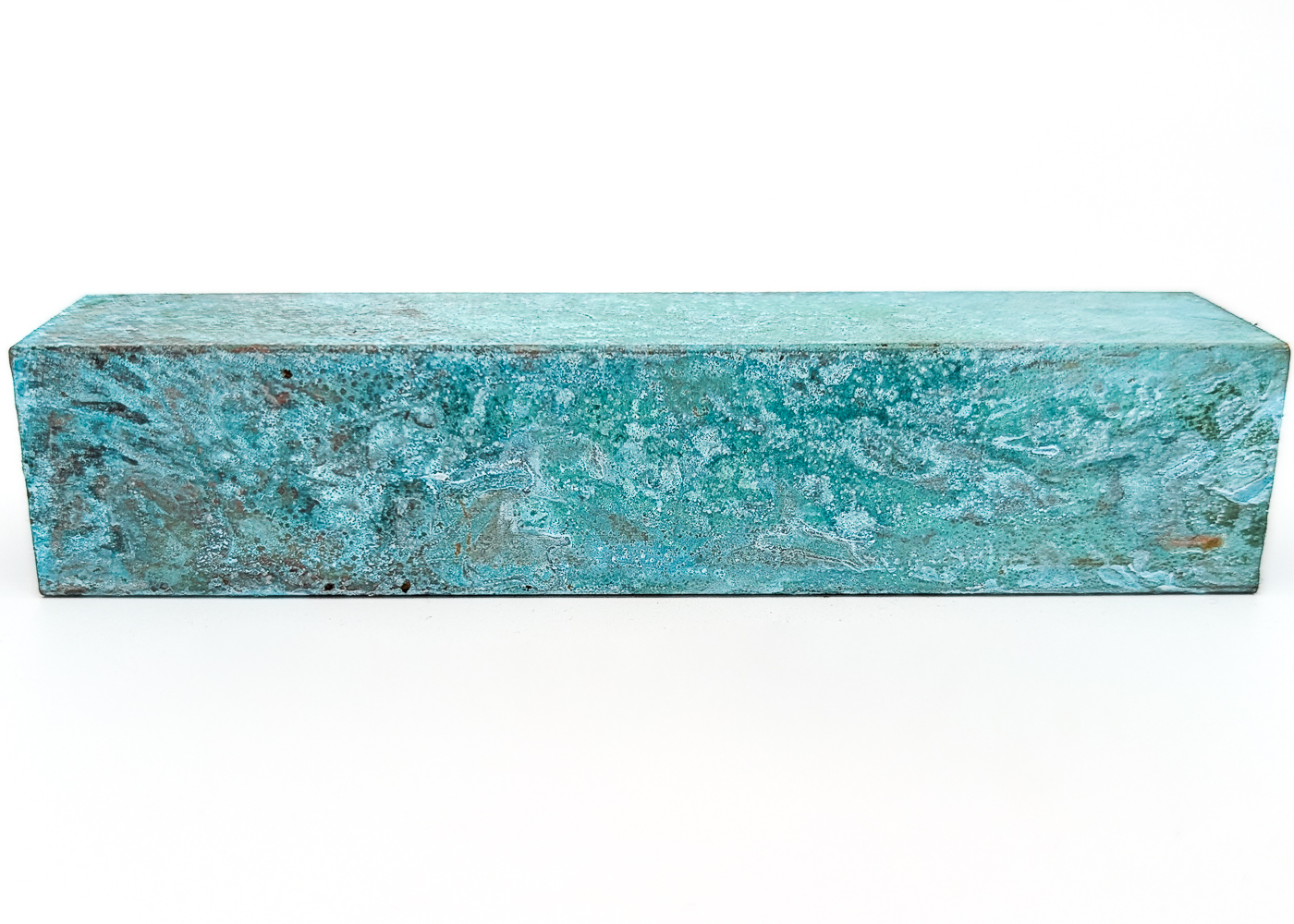
Perhaps the most iconic patina metals, brass, copper, and bronze, are known for their warm browns, deep blacks, and aged greens and blues. The Statue of Liberty is one of the most famous examples of natural patination, where time and environment transformed the surface into a historic, recognizable hue. These metals lend themselves beautifully to interiors and architectural features seeking warmth, depth, and a sense of timelessness.
Precious and Specialty Metals
Metals such as silver, gold, and titanium are often valued for their natural appearance, though they, too, can be experimented with under the right conditions. While less commonly patinated in architectural applications, their potential for artistic exploration remains intriguing—particularly in bespoke or experimental work.
Texture, Tone, and Depth
Patina allows for an extraordinary range of visual outcomes. Surfaces can feel grungy and industrial, dark and moody, softly aged, or refined and high-end. The process can evoke the look of antique metalwork, contemporary sculpture, or something entirely new. From subtle tonal shifts to bold, expressive finishes, the possibilities often extend beyond what can be fully predicted—and that unpredictability is part of the appeal.
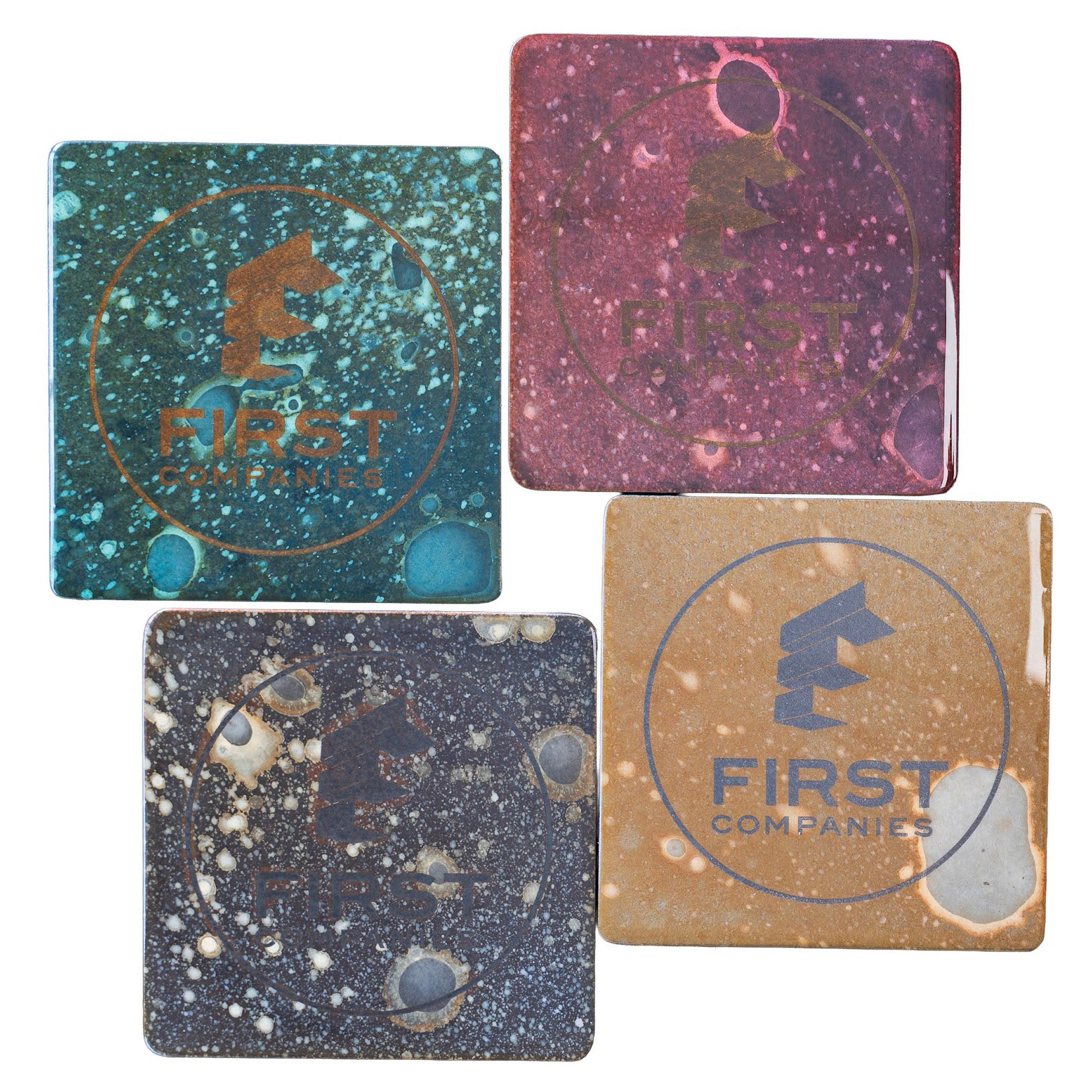
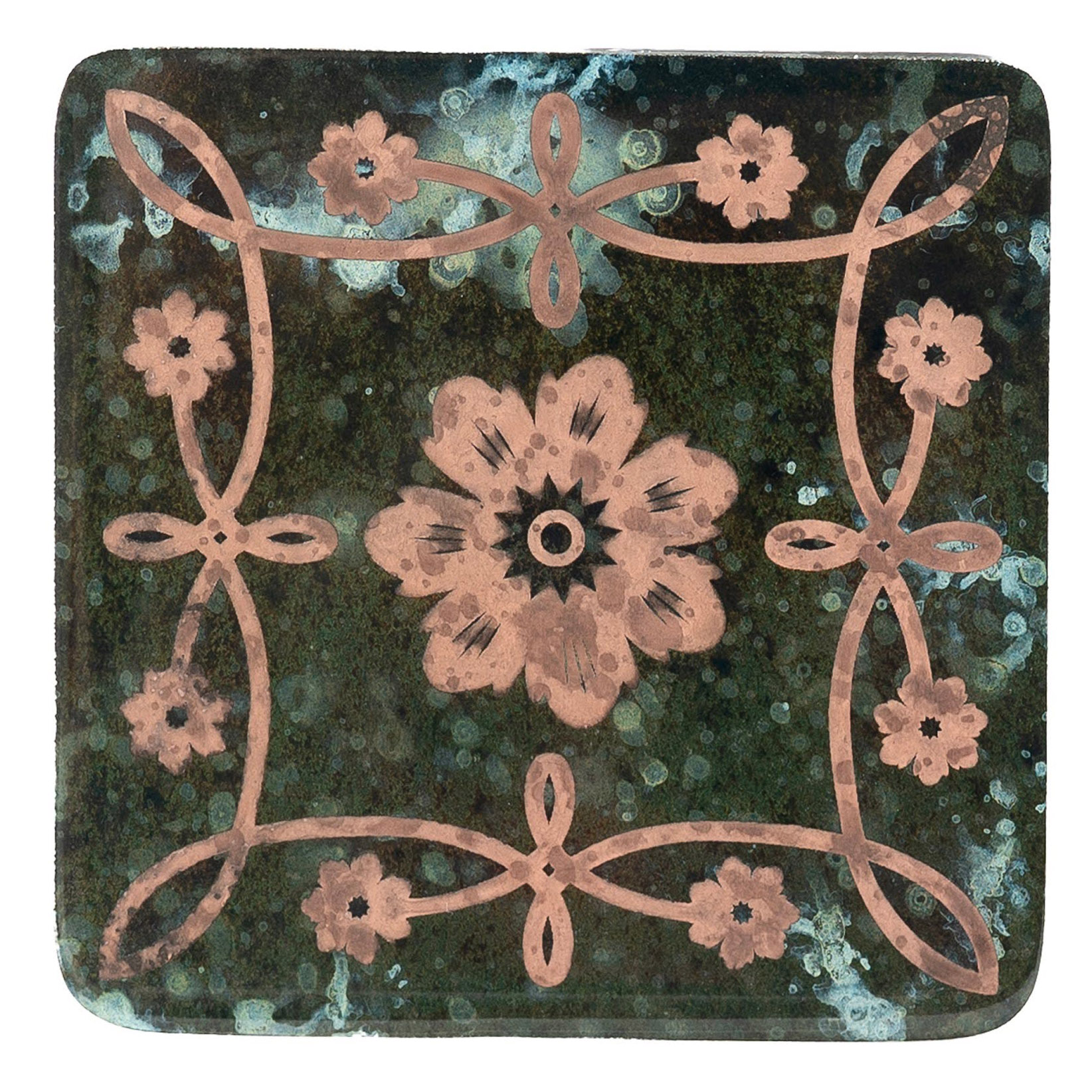
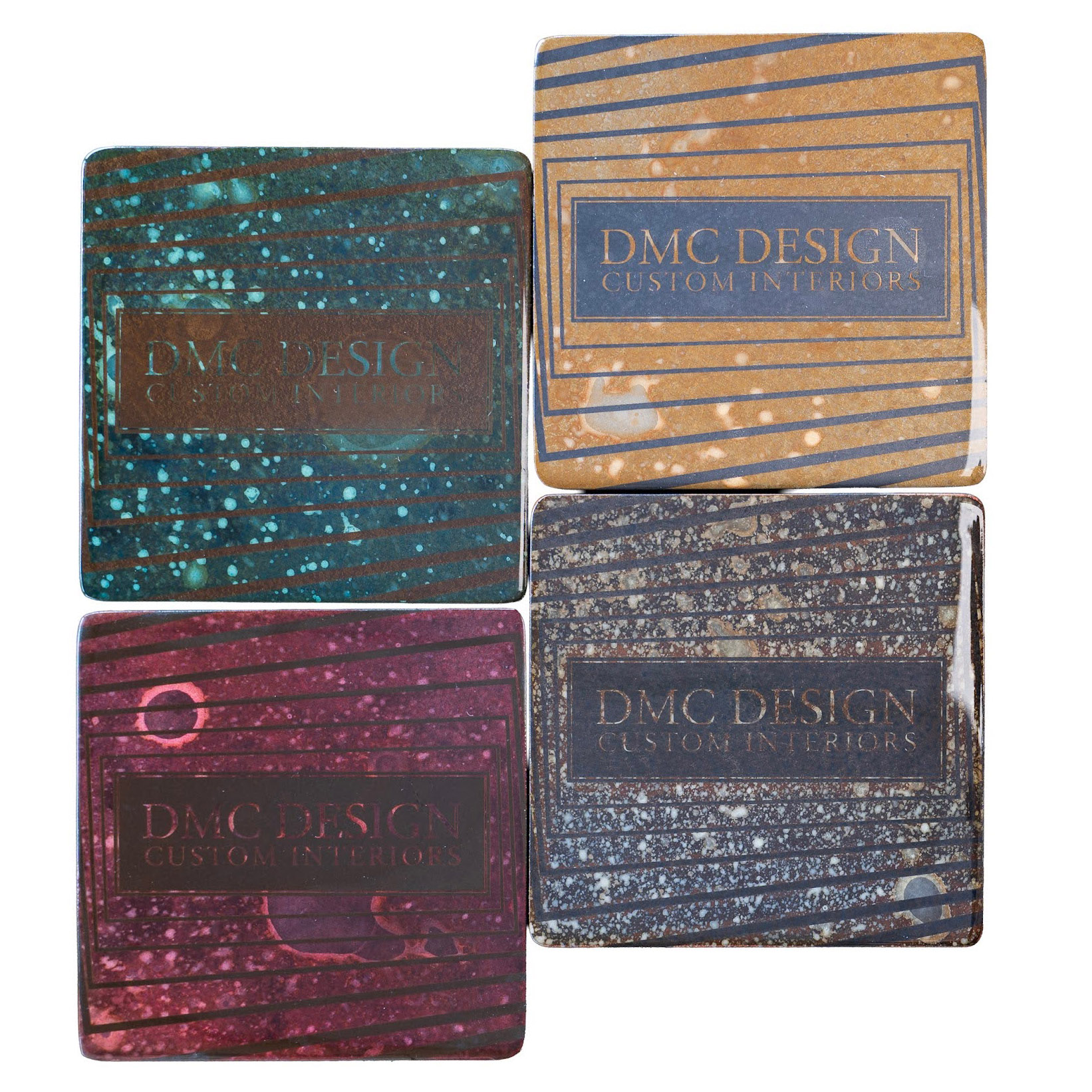
An additional design dimension can be achieved by selectively abrading the patina layer to expose the metal beneath. Think bright yellow tones of brass shining through on a piece of revered, aged sculpture rubbed for luck. With the precision of a laser, we now also have the option of engraved, sharp designs to further enhance and personalize your vision. In the end, patina is not about perfection. It is about character, depth, and the quiet beauty of a material allowed to evolve.

Craft, Chemistry, and Intuition
Working with patina requires more than technical skill; it demands patience, experimentation, and a deep understanding of material behavior. In many ways, a patina artist working with metal is something of an alchemist—balancing chemistry, environment, and artistic vision to achieve a desired result.
At EA Craftworks, patina is approached as both a science and an art form. Each piece is considered individually, with attention to how it will live in its space, how it will be used, and how its surface will age over time. The goal is not simply to finish a material, but to create a surface that feels intentional, expressive, and enduring.
Let’s Create Something Magnificent
From interiors to installations, patinated metal offers endless design potential. If you’re looking for something truly unique—something that captures attention and elevates your space—let us help you make it happen.
Whether your project calls for a bold statement or a subtle artistic touch, EA Craftworks can deliver a finish that’s both striking and engineered to perform. Backsplashes. Countertops. Wall coverings. Bath surrounds. Floors. You name it—we can do it.
Reach out to us to start your next beautiful, boundary-pushing project.